What Payment Orchestration Means for Shopify
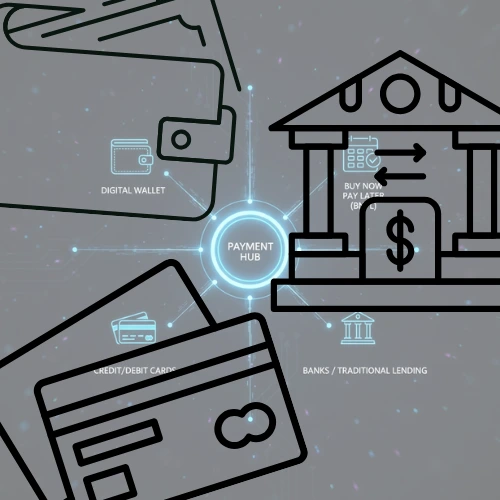
Payment orchestration connects multiple payment providers through one system. Merchants manage cards, wallets, bank transfers, and BNPL options from one setup. Shopify merchants use orchestration to avoid dependency on a single gateway. This approach reduces failed payments and improves flexibility.
Shopify growth pushes merchants toward these tools. Global sales demand local payment choices.
- One integration for many payment methods
- Smart routing based on location or currency
- Centralized reporting and reconciliation
- Built-in compliance and security controls
Why Shopify Merchants Move Beyond Single Gateways
Many stores start with default payment options. Growth exposes limits quickly. Approval rates drop in new regions. Customers abandon carts when local methods remain unavailable. One gateway outage can block all sales.
Payment orchestration addresses these problems through choice and control.
Common issues merchants face
Limited access to local wallets or bank schemes
Higher fees from single providers
No backup during downtime
Impact on Checkout Experience
Checkout speed and familiarity drive conversions. Payment orchestration supports native Shopify checkout flows. Customers see trusted options without redirects. Fewer steps lead to higher completion rates.
Global commerce data shows more than half of shoppers abandon checkout when preferred payment methods are unavailable. Local wallets and bank transfers build confidence.
Reginal examples
The Netherlands relies on iDEAL
Asian markets expect regional wallets
UK shoppers use cards and BNPL options
Revenue Effects for Growing Stores
Payment orchestration increases successful transactions. Smart routing sends payments to the best-performing provider. Approval rates rise while failed payments decline.
Revenue benefits list
Lower cart abandonment
Reduced processing fees
Improved fraud detection
Operational Control and Reporting
Managing payments across regions adds complexity. Orchestration platforms centralize transaction data. Merchants track payments, refunds, and disputes from a single dashboard.
Reporting benefits list
Faster reconciliation
Clear fee visibility
Actionable market-level insights
Security and Compliance Standards
Security features list
3D Secure support
Fraud monitoring tools
Webhook and API safeguards
Role of Specialized Shopify Payment Partners
Payment orchestration requires Shopify expertise. Not every provider understands platform rules or approval processes. Certified partners focus on native integrations.
CartDNA operates as a Shopify Payment App Development Partner, connecting global payment solutions through approved Shopify apps.
CartDNA highlights
Level D PCI compliance
Integration with 70+ merchant acquirers
Support for 720+ payment methods
Coverage across 200+ currencies and 95 markets
Practical Use Case
A Shopify merchant sells fashion across Europe and Asia. Card payments perform well in the UK. German shoppers prefer local bank transfers. Asian buyers expect digital wallets.
Use case comparison
Checkout inconsistency reduces trust
Reporting remains fragmented
One integration supports all regions
Native Shopify checkout remains intact
Sales scale without added complexity
Why CartDNA Matters in Shopify Payment Orchestration
CartDNA focuses exclusively on Shopify payment apps and orchestration. Merchants gain direct access to local and global payment methods without altering checkout flows. The team understands Shopify approval rules, PCI compliance, and regional payment behavior, allowing integrations to go live faster and perform better.
How CartDNA Supports Payment Orchestration
CartDNA builds Shopify payment apps designed specifically for Shopify checkout. Merchants expand payment choice while maintaining a consistent checkout experience.
CartDNA capabilities
Multi-currency support
Fraud prevention systems
Analytics and reporting tools
Ongoing technical support
Why Payment Orchestration Shapes Shopify’s Future
Shopify continues expanding globally. Payment expectations rise with each new market. Payment orchestration aligns with platform growth and merchant needs.
Future trends list
Demand for localized checkout experiences
Focus on conversion optimization
Increasing regulatory pressure