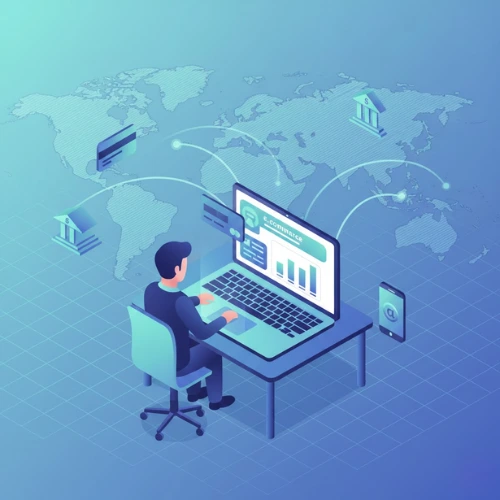
Small merchants now sell beyond local borders at record speed. Online stores reach buyers across regions on day one. Growth depends on payments. Payments fail when systems lack local support. Buyers leave when payment options feel unfamiliar.
Fintech infrastructure solves this problem through stable payment rails, local methods, security, and scale. This report explains how fintech infrastructure helps small merchants reach global buyers and sustain growth.
Global Commerce Pressure on Small Merchants
Small merchants face pressure from global platforms. Marketplaces set buyer expectations. Shoppers expect local wallets, bank transfers, and buy now pay later options. They expect fast checkouts and clear pricing. They expect trust signals.
Payment friction causes lost revenue. Data from Baymard Institute shows over 50 percent of cart abandonment links to checkout issues. Missing payment methods drive a large share of exits. Currency confusion also hurts conversion.
Merchants selling across borders face three main barriers.
- Payment acceptance across regions
- Compliance with local rules
- Reliable settlement and reporting
Fintech infrastructure addresses each barrier through unified systems.

What Fintech Infrastructure Means for Merchants
Fintech infrastructure refers to backend systems supporting payments at scale. These systems include gateways, APIs, fraud tools, currency engines, and reporting layers. For small merchants, infrastructure replaces manual work and fragmented tools.
Key components include payment orchestration, Shopify alternative payment methods, security layers, and analytics.
Payment Orchestration As A Foundation
Payment orchestration routes transactions through multiple providers. This reduces failure. A single gateway often fails in global sales. Banks decline foreign cards at higher rates. Local providers approve more transactions.
Orchestration selects the best route per region. You gain higher approval rates. You reduce downtime risk. You control costs through smart routing.
Benefits for small merchants include.
- Higher payment success rates
- Fewer checkout errors
- Central control over providers
This structure supports growth without rebuilding systems.
Alternative Payment Methods Drive Local Trust
Cards dominate some regions. Many markets rely on local methods. Europe favors bank transfers and wallets. Asia relies on mobile wallets. Latin America uses cash based vouchers and installments.
Offering local options builds trust. Buyers prefer familiar methods. They trust brands more when they see local logos.
Examples from active markets show impact.




Fintech platforms integrate these methods through a single setup. You avoid multiple contracts and technical builds.
Multi-Currency Support Removes Buyer Doubt
Price clarity matters. Buyers hesitate when prices appear in foreign currency. Exchange fees create doubts. Fintech infrastructure supports multi-currency pricing and settlement.
You display local currency at checkout. You settle funds in your preferred currency. This reduces disputes and refunds.
Currency engines handle conversion and rate updates. Merchants gain predictable margins. Buyers gain clarity.
Security And Compliance At Scale
Security builds trust. Global payments face higher fraud risks. Regions enforce different rules. Europe enforces strong customer authentication. Other markets enforce data residency.
Fintech platforms embed compliance with design. PCI DSS compliance protects card data. 3D Secure reduces fraud. Monitoring tools detect risk patterns.
Small merchants gain enterprise level protection without large teams.
Safeguarding Merchant and Customer Information in cartDNA include.
- Reduced chargebacks
- Lower fraud losses
- Compliance with regional rules
This protection supports long-term growth.
API First Infrastructure Supports Fast Expansion
APIs power modern fintech systems. Those connect stores to gateways, wallets, and banks. This allows for fast market entry.
You add a new region through configuration instead of new code. You test payment methods quickly. You remove failing providers without downtime.
This speed matters for seasonal sales and campaigns.
The Importance of Native Shopify Payment Integration
Native Shopify payment apps integrate directly with Shopify checkout and order management. This means you do not redirect customers to external pages or break the checkout flow.
Payments process inside the same environment customers already trust. Native integration also improves reporting, refunds, and reconciliation.
For merchants, this setup reduces operational issues and support requests. Native Shopify payment apps also pass platform review, which ensures security and performance standards remain high across markets.
Analytics Turn Payments into Insight
Payment data reveals buyer behavior. Approval rates show provider performance. Drop off points show friction.
Fintech platforms offer dashboards and reports. You track conversion by method. You compare regions. You optimize checkout based on data.
Actionable insights include.
- Removing low performing methods
- Prioritizing local favorites
- Adjusting fraud rules
Data driven decisions raise revenue.
Shopify As a Global Commerce Engine
Shopify powers millions of merchants. Many sell across borders. It offers a stable commerce layer. Payments require specialized infrastructure.
Native checkout supports approved payment apps. Merchants prefer apps passing Shopify review. This ensures security and performance.
Payment partners focusing on Shopify understand platform limits and approval rules. This reduces delays and risks.
Shopify Payment Apps Power Cross Border Growth
Shopify payment apps play a direct role in helping small merchants sell across borders. These apps connect Shopify stores with global payment infrastructure without changing the native checkout flow.
You keep the same store experience while adding local wallets, bank transfers, and regional card networks. Buyers trust familiar payment options.
Shopify approved payment apps meet strict platform and security standards. This reduces technical risk and speeds up market entry.
Where CartDNA Fits into The Global Payment Stack
CartDNA operates as a Shopify payment app development partner. The platform connects merchants with global payment methods through Shopify approved apps.
It focuses on infrastructure behind the checkout. This includes gateway integration, alternative methods, security layers, and reporting.
CartDNA coverage supports.
- 720 plus payment methods
- Over 200 currencies
- 70 plus acquirers
- 95 plus local markets
This scale supports small merchants entering new regions.
Why Merchants Choose CartDNA For Global Payments
CartDNA supports Shopify merchants through specialized payment infrastructure built for global commerce. The platform focuses on seamless integration, broad payment coverage, and compliance across regions.
Merchants access hundreds of payment methods, multi-currency support, and local market expertise through a single Shopify approved solution.
CartDNA handles technical complexity, security standards, and ongoing optimization. Merchants expand internationally without rebuilding their payment stack.
Practical Example of Infrastructure Impact
A small fashion brand based in the UK sells to Europe and Asia. Card approvals drop in Germany. Asian buyers abandon carts.
The merchant adds local methods through a Shopify approved app. SEPA and Sofort appear for Germany. Wallets appear in Asia.
Results after launch include.
- Higher checkout completion
- Lower decline rates
- Reduced support tickets
Revenue grows without changing products or pricing. This outcome reflects infrastructure impact.
Why Small Merchants Need Partners Not Tools
Payment infrastructure requires expertise. Providers differ by region. Compliance rules change. Fraud patterns shift.
Partners manage complexity. They monitor performance. They update integrations. They support merchants during growth.
CartDNA positions as an infrastructure partner focused on payments across markets. Merchants focus on customers while CartDNA handles global payment complexity.